
Previous international trips, compliance with visa conditions, and
timely returns to your home country may help immigration authorities
understand your travel intentions. However, having a strong travel
history does not guarantee visa approval, and first-time travellers
can also qualify for a visa by providing suitable supporting evidence.
What Is Travel History in a Visa Application?
Travel history refers to your previous international trips and
immigration records. It may include the countries you have visited,
the visas you have received, the length of your stays, and whether
you followed the immigration rules of each destination.
Depending on the country and visa category, immigration authorities
may review passport stamps, previous visas, entry and exit records,
residence permits, and information about earlier visa applications.
These records help provide context about your previous travel
behaviour and current application.
For example, someone who has visited several countries and complied
with the conditions of their visas may be able to demonstrate a
consistent record of lawful travel. Nevertheless, every application
is assessed according to the relevant country’s immigration rules
and the applicant’s individual circumstances.
Why Is Travel History Important for Visa Approval?
1. It Can Demonstrate Compliance with Immigration Rules
One of the main benefits of a positive travel history is that it
can show that you have respected the immigration conditions of
countries you previously visited. Examples include leaving before
your permitted stay expired and avoiding activities prohibited
by your visa.
A record of complying with previous visa conditions may support
your application, although it does not automatically establish
eligibility for a new visa.
2. It Can Support Your Genuine Travel Intentions
Visa officers often consider whether an applicant’s stated purpose
of travel is credible. Previous trips that match your declared
travel plans may help provide context for your application.
For example, if you previously travelled abroad for tourism and
returned home as planned, that history may support your explanation
of why you want to visit another country for a holiday.
3. It Can Help Explain Your Travel Patterns
Immigration authorities may consider how frequently you travel,
how long you remain abroad, and whether your travel pattern is
consistent with the purpose stated in your application.
Frequent or lengthy visits may require additional explanation
in some circumstances.
Make sure your planned trip has a clear purpose and duration.
Provide a realistic itinerary and supporting documents where
required.
4. It Can Strengthen Your Overall Application
Travel history is only one part of a visa assessment. Evidence
of employment, business ownership, family responsibilities,
financial stability, accommodation, and the purpose of your trip
may also be important.
A well-prepared application presents consistent information and
documents that support the applicant’s circumstances and travel
plans.
Which Countries’ Travel History Can Be Helpful?
Previous international travel may be relevant when applying for
visitor visas to destinations such as Canada, the United Kingdom,
the United States, Australia, New Zealand, and countries in the
Schengen Area.
A history of lawful travel to countries with established immigration
systems may provide useful evidence of previous compliance.
However, there is no universal ranking of countries that guarantees
better visa approval prospects. The importance of your travel
history depends on the destination, visa type, nationality, and
your personal circumstances.
Does Schengen Travel History Help with Future Visa Applications?
Previous trips to Schengen countries may help demonstrate that you
have complied with the conditions of earlier visas. If you are
applying for another European holiday, your previous visas and
entry and exit stamps may provide useful supporting evidence.
However, having travelled to Europe before does not guarantee
another Schengen visa. Applicants must still satisfy the applicable
requirements for their new application.
Documents That Can Prove Your Travel History
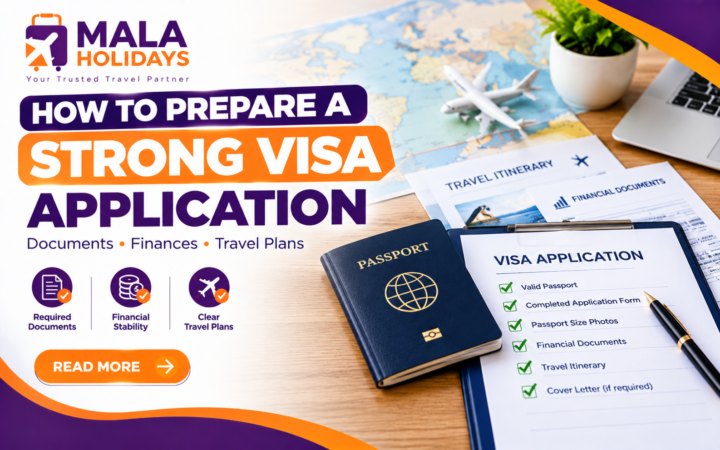
If travel history is relevant to your application, prepare clear
and accurate copies of the documents requested by the relevant
immigration authority. Depending on your circumstances, these
may include:
- Current passport pages showing your personal details.
- Previous passports containing visas and travel stamps.
- Copies of valid and expired visas, where relevant.
- Entry and exit stamps showing previous international trips.
- Previous residence, study, or work permits, where applicable.
- Travel records or other official evidence requested by the authority.
- Documents clarifying the dates and purpose of previous visits, if needed.
Check the official checklist for your specific visa before submitting
documents. Some authorities request particular records or a defined
travel-history period, while others may have different requirements.
How to Present Your Travel History in a Visa Application
1. Provide Accurate Travel Dates
Check your passport stamps, tickets, booking confirmations, and
available travel records to ensure your dates are accurate.
If the application asks for your previous trips, provide complete
information within the requested period.
2. Include Relevant Passport and Visa Copies
Submit clear copies of the pages requested by the immigration
authority. If you have an old passport containing important visa
records, check whether it should also be included.
3. Explain Any Complicated Travel Circumstances
If you have an unusually long stay, an immigration issue, or
inconsistent records, provide an honest explanation and supporting
evidence where appropriate. Do not hide a previous refusal or
immigration problem when the application asks about it.
4. Keep Your Documents Consistent
Your travel dates and stated purpose should be consistent with
your application form and supporting documents. If you identify
an error, follow the relevant authority’s instructions for
correcting or explaining it.
Can You Get a Visa Without Previous Travel History?
Yes. Having no previous international travel does not automatically
prevent you from obtaining a visa. Many applicants receive their
first visa without having travelled abroad before.
If you are a first-time traveller, focus on providing strong
evidence that meets the requirements of your chosen visa category.
Depending on the destination, useful documents may include:
- A valid passport and completed visa application.
- Bank statements or other evidence of sufficient funds.
- Employment letters, payslips, or business documents, where applicable.
- Evidence of family, professional, or other commitments at home.
- A realistic travel itinerary and accommodation details, if required.
- An invitation letter and supporting documents, if relevant to your visit.
- Evidence explaining the purpose and planned duration of your trip.
The documents you need depend on the country and type of visa.
Always follow the official application guidance rather than
submitting unnecessary documents.
Does a Previous Visa Refusal Affect Future Applications?
A previous visa refusal may be considered in a later application,
but it does not necessarily mean that every future application
will be refused. The effect depends on the reasons for the refusal,
the destination country, and your circumstances at the time of
the new application.
Read the refusal letter carefully and identify which concerns
need to be addressed. You may need to provide clearer financial
evidence, explain the purpose of your trip, demonstrate stronger
ties to your country of residence, or correct missing or inaccurate
information.
Always disclose previous refusals when requested. Never submit
false documents or misrepresent your immigration history.
Common Travel History Mistakes to Avoid
- Providing incorrect travel dates or incomplete information.
- Failing to disclose a previous visa refusal when asked.
- Submitting unclear or incomplete passport copies.
- Ignoring previous immigration violations or failing to explain them.
- Providing travel plans that conflict with other application documents.
- Assuming that a previous visa guarantees approval of a new one.
- Booking non-refundable travel before checking the relevant visa guidance.
Accuracy and consistency are essential. Review your application
carefully before submitting it.
How to Improve Your Visa Approval Chances
Although you cannot change your past travel history, you can
prepare a more complete and credible application. Consider the
following steps:
- Choose the correct visa category for your travel purpose.
- Read the official eligibility criteria and document checklist.
- Provide accurate information about your previous travel.
- Demonstrate that you can afford the proposed trip.
- Explain your itinerary and the reason for your visit clearly.
- Provide evidence of your circumstances and intention to comply with visa conditions.
- Address any relevant previous refusals or immigration concerns honestly.
- Check that all required documents are complete and consistent.
No document or travel record can guarantee visa approval. The best
approach is to meet the relevant requirements and present truthful,
well-organised evidence of your individual circumstances.
Frequently Asked Questions About Travel History and Visa Approval
Does travel history increase visa approval chances?
A positive travel history may support an application by showing
previous compliance with immigration conditions. However, it is
only one factor and does not guarantee approval.
How many countries should I visit before applying for a visa?
There is no universal number of countries you must visit before
applying. You can apply for a visa without previous international
travel if you meet the relevant eligibility requirements.
Is travel history more important than bank statements?
Neither is universally more important. Travel history may help
explain previous immigration compliance, while financial evidence
helps establish how the trip will be funded. Their relevance
depends on the visa category and the applicant’s circumstances.
Can I apply for a Schengen visa if I have never travelled abroad?
Yes. First-time travellers can apply for a Schengen visa.
They must provide the required documents and satisfy the applicable
conditions, including evidence relevant to their purpose of travel
and intention to leave the Schengen Area before their authorised
stay ends.
Should I mention a previous visa refusal?
Yes, if the application asks about previous refusals, answer
truthfully and provide any explanation or documents requested.
A refusal does not automatically make every future application
unsuccessful.
Can a strong travel history guarantee a multiple-entry visa?
No. Multiple-entry visas are issued according to the rules and
assessment criteria of the relevant destination. Previous travel
may be relevant, but it does not guarantee a particular visa
validity period or number of entries.
Conclusion: Travel History and Its Role in Visa Approval
Travel history can be a valuable part of a visa application because
it may demonstrate previous compliance with immigration rules and
provide context for your travel intentions. However, visa decisions
also depend on factors such as your financial circumstances,
travel purpose, personal circumstances, and the requirements of
the destination country.
If you have a positive travel record, present it accurately and
include the supporting documents requested. If you are a first-time
traveller, concentrate on preparing a complete application that
clearly explains your plans and circumstances.
At Mala Holidays, we encourage travellers to
understand the relevant visa requirements and prepare their
applications carefully. For country-specific guidance, always
check the official immigration website before applying.